About About Quilting with Floral Plant
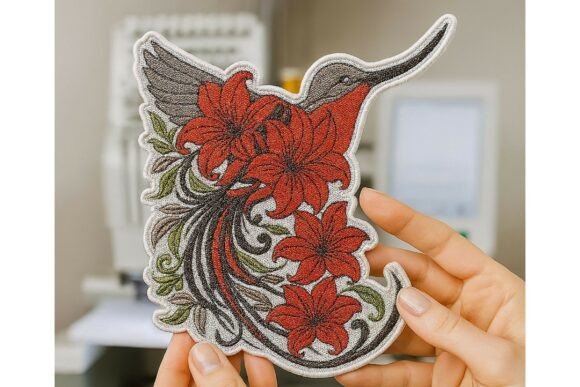
As an embroidery designer who has spent years translating digital concepts into tangible thread, I approach every new file with a mix of creative enthusiasm and commercial skepticism. When evaluating a design for small business merchandise, branded patches, or uniform accents, the goal is never just aesthetics; it is about durability, recognition, and production efficiency. Today, I am reviewing About About Quilting with Floral Plant, a digital machine embroidery design categorized under Shapes and Embroidery. This piece features quilting patterns intertwined with floral and plant motifs, offering a distinct visual personality that could serve various commercial applications.
First Impressions: Visual Personality and Brand Alignment
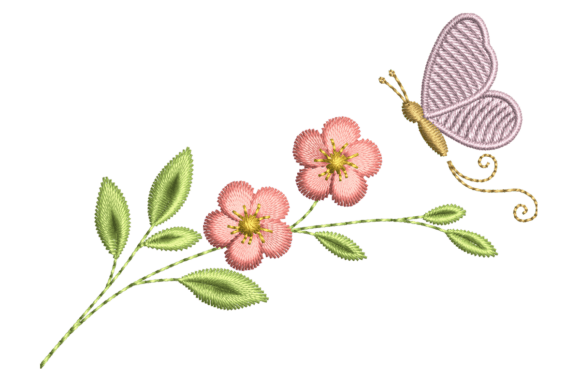
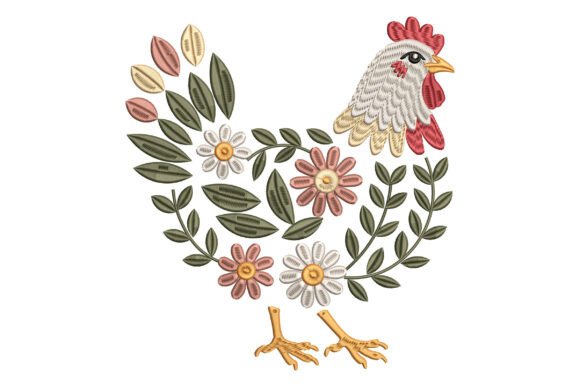
The title, About About Quilting with Floral Plant, immediately suggests a theme of warmth, tradition, and organic growth. From a design perspective, this combination of quilting structures and botanical elements creates a look that is both rustic and elegant. It feels handmade yet precise, which is a critical balance for modern branding. For businesses such as local bakeries, florists, boutique home decor shops, or artisanal craft studios, this design offers a premium feel without appearing overly corporate.
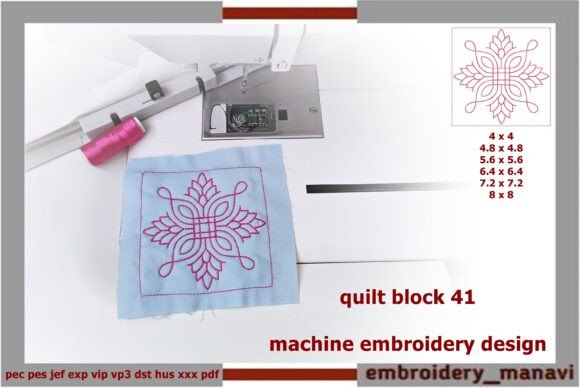
The inclusion of "quilting" in the description implies a textured, block-style aesthetic, while the floral additions soften the geometric rigidity. This duality makes it versatile. It can convey professionalism through its structured layout while maintaining a friendly, approachable vibe through the natural plant elements. For an Etsy seller or a maker of handmade products, this visual language builds immediate trust. It signals quality and care, attributes that customers are willing to pay a premium for in custom apparel and merchandise.
Real-World Business Applications
In my experience, the true test of an embroidery file is how it performs on actual products. About About Quilting with Floral Plant shows significant potential across several key categories of small business merch.
Branded Patches and Apparel Accents
This design is ideally suited for embroidered patches. The square nature of the quilt block provides a contained area that works well on chest logos, sleeve details, or back yokes of work shirts. Because the design relies on shapes and patterns rather than intricate script, it remains legible even when scaled down. Imagine this applied to denim jackets for a creative studio staff or as a distinctive mark on the cuff of aprons for a high-end café. The floral details add a touch of uniqueness that helps brands stand out in a crowded market.
Tote Bags and Soft Goods
For tote bag designs, this file offers excellent value. Tote bags are essentially walking billboards for small businesses, and a well-executed embroidery design elevates the perceived value of the item. The quilting motif pairs beautifully with canvas or cotton fabrics, reinforcing the "handmade product" narrative. Whether used as a central focal point or a repeated pattern along the side seams, About About Quilting with Floral Plant enhances the tactile experience of the customer, making the bag feel like a keepsake rather than disposable promotional material.
Caps and Event Merchandise
Cap embroidery often suffers from distortion if the design is too complex or dense. However, the structured nature of a quilt block design tends to hold up well on curved surfaces. If the hoop size allows for proper tension, this design can serve as a sophisticated logo accent on baseball caps or beanies for winter events. It also works exceptionally well for event merchandise, where brands want to offer something more substantial than a simple printed t-shirt. A limited run of embroidered hats featuring this design can drive engagement and brand loyalty at trade shows or pop-up markets.
Strategic Considerations and Limitations
While the design has strong merits, a professional review must address where caution is required. Not every surface is suitable for every embroidery technique.
- Small Patch Sizes: If you intend to use this as a tiny patch (under two inches), you must inspect the spacing closely. Fine details in the floral elements may merge together if the stitch density is too high or the scale is too small. Always create a printable mockup to verify legibility before committing to production.
- Curved Surfaces: While caps can handle this design, highly curved items like narrow sleeves or fitted collars may distort the square geometry. Test on the specific garment type first.
- Fabric Texture: This design assumes a relatively smooth fabric base. On heavily textured fabrics like thick wool or nubby linen, the definition of the floral lines might be lost. Conversely, on slippery synthetics, stabilizer choice becomes critical to prevent puckering.
- Thread Color Contrast: The success of this design hinges on contrast. On dark uniforms or black apparel, light-colored threads will make the quilting blocks pop, but ensure the thread colors chosen provide enough separation between the background and the foreground elements.
Impact on Brand Identity and Customer Trust
Using About About Quilting with Floral Plant in your commercial embroidery projects does more than just decorate a product; it communicates your brand’s values. In an era where consumers crave authenticity, a design that references traditional crafts like quilting resonates deeply. It suggests that your business values heritage, attention to detail, and natural beauty.
Consistency is key to brand recognition. If you pair this design with other design assets that share a similar earthy or organic palette, you create a cohesive visual identity. Customers begin to associate the specific texture and style of the embroidery with your company name. This visual consistency builds professionalism and trust. When a customer sees the same high-quality embroidery on a tote bag, an apron, and a cap, they perceive the brand as established and reliable.
Practical Designer Notes for Production
Before purchasing or using this digital embroidery file for commercial purposes, I recommend following these technical steps to ensure a successful finished product:
- Test in Black and White: Convert the design to monochrome to check the balance of positive and negative space. This helps identify if any areas are too cluttered.
- Review Thread Colors: Select thread colors that complement your brand palette but maintain high contrast against the target fabric. Avoid colors that blend into the material.
- Confirm Hoop Size: Ensure your embroidery machine’s hoop size accommodates the full dimensions of the design without requiring re-hooping, which can misalign the stitching.
- Use Proper Stabilizer: The stability of the final stitch-out depends heavily on the stabilizer. Use a cut-away stabilizer for stretchy fabrics and a tear-away for stable wovens to prevent distortion.
- Create a Mockup: Generate a realistic mockup for client approval or internal review. Seeing the design on a rendered image of a shirt or bag helps visualize the final impact.
- Check Licensing: Most importantly, confirm commercial licensing terms. Ensure you have the right to sell products made with this design asset, whether you are running a small business merch line or fulfilling orders for clients.
In conclusion, About About Quilting with Floral Plant is a versatile and charming addition to any embroidery library. Its blend of structural quilting patterns and organic floral details makes it an excellent choice for small business owners looking to elevate their custom apparel, branded patches, and soft goods. By paying attention to technical details like stitch density, fabric choice, and color contrast, you can transform this digital file into a powerful tool for building brand identity and engaging customers.