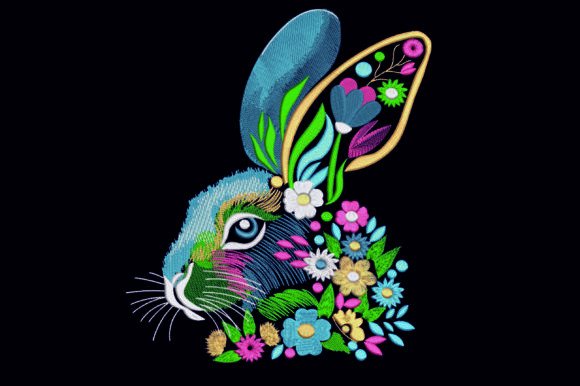
Bunny Face Embroidery Design Review
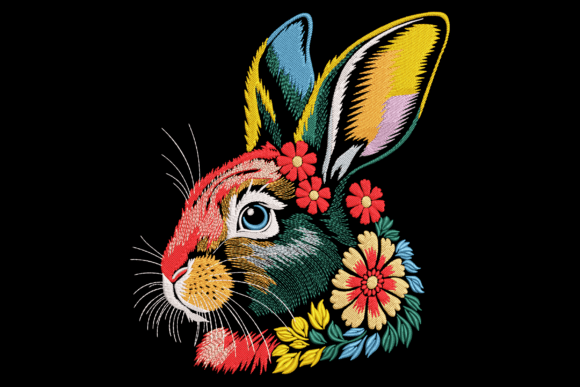
As an experienced embroidery designer who frequently advises small business owners and apparel decorators, I look at every digital file with a critical eye. We aren’t just looking for pretty pictures; we are looking for profitability, durability, and brand consistency. Today, I am reviewing the Bunny Face Embroidery Design, specifically focusing on its potential for commercial use in small business merchandise, branded patches, and custom apparel.
The product description highlights this as a "Floral Bunny Machine Embroidery Design" that adds "nature and elegance." While the Easter season is the obvious marketing hook, a savvy entrepreneur knows that seasonal assets can often be repurposed or used to create evergreen "spring collection" items. Let’s break down how this design performs when moved from the screen to the hoop.
First Impressions: Visual Personality and Brand Fit
When you first load the Bunny Face Embroidery Design into your digitizing software, the immediate question is about its visual weight. Based on the description of floral elements and elegance, this design likely leans toward a softer, more decorative aesthetic rather than a bold, graphic logo style. This is a crucial distinction for brand identity.
For brands that want to project a friendly, approachable, and handmade vibe—such as boutique bakeries, local florists, artisanal candle makers, or pet brands—this design fits perfectly. It feels elegant yet playful. However, if your brand is strictly minimalist, corporate, or high-fashion, this design might feel too whimsical. The inclusion of floral motifs suggests a rustic or garden-party charm, which works beautifully for spring-themed launches but may not align with a sleek, modern urban aesthetic. Understanding this personality helps you decide where to place it on your products.
Real-World Business Applications
In my experience, the true test of an embroidery file is its versatility across different product types. Here is how the Bunny Face Embroidery Design translates to real-world small business merch:
- Embroidered Patches: This design has strong potential as a standalone patch. If the outline is clean, it can be applied to denim jackets, canvas tote bags, or backpacks sold by Etsy sellers. A floral bunny patch adds a premium touch that customers are willing to pay extra for.
- Apron Embroidery: For cafes, bakeries, or cooking classes, placing this design on the chest pocket of a white or natural linen apron creates an instant connection with the customer. It signals warmth and care, enhancing the perceived value of the service.
- Cap Embroidery: Structured caps are a staple in uniform wear. If the stitch density is manageable, this design can serve as a central logo on baseball caps for staff uniforms. It stands out without being overwhelming, especially when paired with neutral thread colors.
- Tote Bag Design: Canvas totes are a low-cost, high-volume item. Using this design as a focal point allows you to sell these as branded giveaways or gift sets. The floral elements complement the texture of cotton canvas exceptionally well.
- Product Packaging Accents: Beyond clothing, consider applying this to the lids of bakery boxes or the tags of handmade jewelry. It turns standard packaging into a memorable unboxing experience.
Strategic Placement and Brand Identity
Using the Bunny Face Embroidery Design effectively requires strategic placement to maintain professional standards. Where you put the design affects how customers perceive your brand.
For a cohesive brand identity, consistency is key. If you use this design on your social media graphics, website headers, and physical products, you build recognition. When a customer sees the same floral bunny on a tote bag and then on a mug, it reinforces trust. It tells them that your attention to detail extends from your digital presence to your physical goods.
Furthermore, this design enhances handmade presentation. In a market saturated with mass-produced items, embroidered details signal craftsmanship. Customers associate the tactile quality of thread with higher product value. By using this specific design, you are leveraging the emotional response associated with nature and spring, which can increase buyer engagement during seasonal sales.
Risks and Areas for Caution
Not every design suits every application. There are specific scenarios where the Bunny Face Embroidery Design may struggle if not handled correctly:
- Small Patch Sizes: If you plan to reduce this design to less than two inches, you must inspect the fine details. Floral outlines can become muddy if the stitch count is too high for the space. Always check if the design remains legible at the intended size.
- Curved Surfaces: Embroidering on curved items like cap fronts or rounded bottle holders requires careful hooping. If the design is too wide, it may pucker or distort. Test the fit within your hoop size constraints before committing to bulk production.
- High Stitch Density: Designs with dense fills can make fabric stiff. On lightweight shirts or delicate scarves, this can feel uncomfortable. Ensure your stitch density matches the fabric weight to avoid a bulky finished product.
- Dark Uniforms: If embroidering on dark fabrics, ensure there is sufficient underlay and top thread contrast. Light-colored threads may require a heavy stabilizer base, which can add unnecessary thickness.
Practical Designer Notes for Production
Before you run this digital embroidery file through your machine for commercial orders, follow these essential steps to protect your reputation and your bottom line.
First, always test it in black and white first. Convert the design to grayscale to check the balance of light and dark areas. This helps you identify if any parts of the floral pattern will get lost in the stitching.
Second, check if it works at small patch size. Digitize a 1-inch version and stitch it out. If the eyes or petals disappear, you need to simplify the design or increase the minimum size requirement for your customers.
Third, review thread color contrast. The description mentions elegance, which often implies pastel or metallic threads. Ensure these colors pop against your target fabric. Use a printable mockup to visualize the final look before cutting fabric.
Fourth, inspect spacing and confirm hoop size. Make sure the design fits comfortably within your standard hoops to maximize efficiency. Wasting time re-hooping kills productivity.
Fifth, test on real fabric. Screen colors lie. Stitch the design on the actual cotton, polyester, or blend you intend to sell. Check for puckering, thread breaks, and tension issues.
Sixth, use proper stabilizer. The choice between cut-away and tear-away stabilizer depends on the fabric. Incorrect stabilizer choice is the number one cause of failed commercial embroidery projects.
Finally, confirm commercial licensing. Before selling any items featuring this design, verify that your purchase includes commercial rights. You cannot legally profit from a design intended only for personal use. Also, compare it beside other design assets in your library to ensure it doesn’t clash with your existing logo or branding elements.
Conclusion
The Bunny Face Embroidery Design offers a charming, elegant option for small businesses looking to capitalize on spring themes or simply add a touch of whimsy to their small business merch. Its floral nature makes it versatile for a range of industries, from food service to retail. However, success lies in execution. By testing thoroughly, choosing the right placements, and maintaining high production standards, you can turn this simple design into a profitable asset for your brand. Remember, a great custom apparel item starts with a well-reviewed, professionally digitized file.