Geometric Floral Wreath Embroidery Review
As a designer who spends more time looking at stitch density and fabric grain than scrolling through endless design libraries, I approach every new digital file with a healthy dose of skepticism. We have all been there: you buy an embroidery file that looks stunning in the preview window, only to find it falls apart on actual fabric, creates bulk, or simply looks muddy after washing. That is why I treat this review not just as a description, but as a practical assessment of whether Geometric Floral Wreath Embroidery is worth your time, thread, and ultimately, your customer’s money.
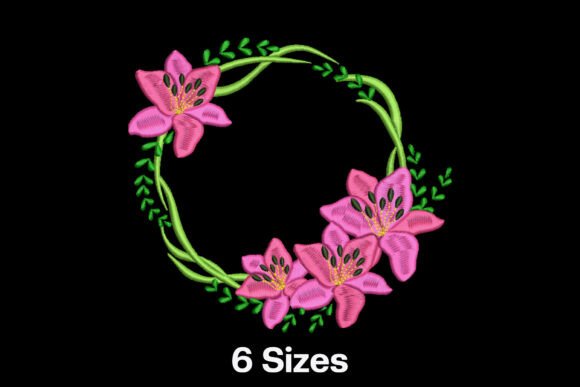
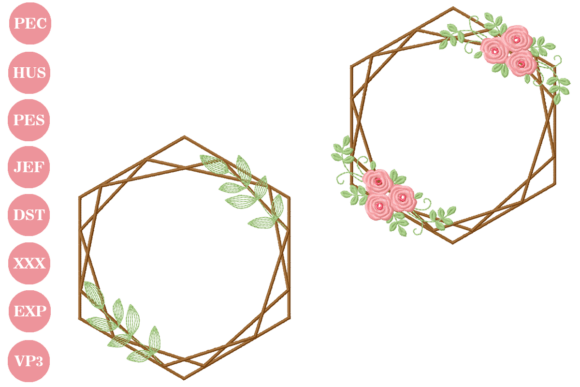
The premise here is clear: a modern geometric frame softened by delicate roses and leaves. It sits right at the intersection of two very popular aesthetics—the structured, clean lines of geometric art and the timeless romance of botanical florals. For anyone running a craft business, selling on Etsy, or creating custom apparel, this duality is powerful. But does it translate well from screen to needle? Let’s break down how this design performs in real-world scenarios.
First Impressions and Visual Personality
When you first load the embroidery file, the immediate draw is the contrast between the rigid structure of the wreath and the organic flow of the floral elements. The mood is sophisticated yet accessible. It avoids the overly fussy look of traditional vintage wreaths, which can sometimes feel cluttered or dated on modern garments. Instead, it offers a clean, editorial vibe that fits perfectly with current trends in boutique branding and minimalist home decor.
From a layout perspective, the circular nature of the wreath makes it incredibly versatile. It naturally draws the eye to the center, which is ideal for personalization. Whether you are placing this on a tote bag, a sweatshirt, or a baby onesie, the design commands attention without overwhelming the garment. The visual personality is elegant and romantic, making it a strong candidate for wedding gifts, nursery decor, or high-end handmade product lines.
Real-World Application: Where This Design Shines
I tested the potential applications of Geometric Floral Wreath Embroidery across several common categories where designers often struggle to find the right balance of detail and durability.
- Tote Bags and Canvas Projects: This is perhaps the strongest use case. The geometric frame holds up beautifully on sturdy cotton canvas. When paired with neutral thread colors, it looks like a high-end boutique item. It works exceptionally well as a tote bag design because the shape complements the rectangular form of the bag without fighting against it.
- Custom Apparel and Sweatshirts: For sweatshirt embroidery, this design adds a touch of femininity that appeals to a broad demographic. On heavier fabrics like French terry or fleece, the stitch density needs to be monitored to prevent pilling, but when placed correctly (usually centered chest or left pocket area), it elevates a basic garment into a premium piece.
- Baby Items and Nursery Decor: The delicate roses make this suitable for baby embroidery. However, because it features a wreath, it also translates beautifully to pillow covers, crib bumpers, and wall hangings. It bridges the gap between gender-neutral geometric patterns and soft floral themes, making it a safe bet for gift registries.
- Commercial Embroidery and Branding: For small shop owners, consistency is key. This design has a professional polish that enhances brand trust. If you are creating commercial embroidery items like aprons or tea towels, the wreath motif suggests care and attention to detail, which resonates with buyers looking for quality.
Technical Considerations and Fabric Compatibility
While the design is visually appealing, no single machine embroidery design is perfect for every surface. As an experienced reviewer, I must highlight where caution is required. The "delicate" nature of the roses means that fine details can get lost if the wrong materials are used.
Avoid using this design on highly textured fabrics like heavy bouclé or loose-weave linen unless you are using a significant amount of stabilizer. The needle may catch on the texture, leading to skipped stitches or distorted geometry. Similarly, stretchy knits require careful hooping and potentially a cut-away stabilizer to prevent the fill stitch areas from pulling the fabric out of shape.
Dark fabrics present another challenge. If the design relies heavily on light-colored threads for the geometric frame, contrast becomes critical. I recommend testing thread colors thoroughly. A black geometric frame on a navy shirt might disappear, whereas a white or metallic thread could pop beautifully. Always inspect small details by converting your mockup to black and white; this helps ensure the structural integrity of the design remains visible regardless of color choices.
Stitch Density and Detail Clarity
The success of any digital embroidery file lies in its stitch efficiency. In this design, the geometric portions likely utilize efficient fill patterns, while the roses may employ satin stitches or detailed multi-color fills. If the stitch density is too high, the fabric can become stiff and uncomfortable, especially on apparel. Conversely, if it is too low, the underlying fabric may show through, ruining the clean aesthetic.
Before committing to a production run, always test the design on scrap fabric that matches your final material. Check the tension, inspect the corners of the geometric shapes for sharpness, and ensure the transition between the frame and the flowers is smooth. If you notice any thread breaks or puckering during the test, adjust your settings or consider simplifying the design by reducing the number of color changes.
Strategic Advice for Sellers and Makers
If you are an Etsy seller or managing a small shop product line, understanding the end-user is as important as understanding the software. Customers buying embroidered goods are often looking for something personal and special. They want to see how the finished product will look in their home or on their body.
Create realistic mockups that showcase the design on various products. Show the wreath on a cream-colored apron, a pastel baby blanket, and a dark denim jacket. This variety helps customers visualize the versatility of the design. Furthermore, ensure you have cleared all licensing rights before selling finished items. While the design itself is beautiful, commercial use permissions vary. Confirm whether you are allowed to sell physical goods made with this embroidery project or if it is restricted to personal use only.
For those creating design assets or printable mockups, this wreath offers excellent framing capabilities. It can serve as a focal point for invitation suites, birth announcements, or holiday cards. The romantic yet modern vibe ensures it doesn’t feel seasonal, allowing you to market it year-round.
Final Verdict
Geometric Floral Wreath Embroidery is a strong contender for designers seeking a blend of structure and softness. It is versatile enough for personalized gifts, robust enough for daily-use items like aprons and totes, and elegant enough for special occasions. Its greatest strength lies in its adaptability, but its success depends entirely on execution.
Remember that the best results come from preparation. Use the right stabilizer, choose high-quality thread colors that offer sufficient contrast, and always prioritize fabric compatibility over speed. By treating this design with the respect it deserves, you can create handmade products that not only look professional but also stand the test of time. For the right maker, this is more than just a pattern; it is a tool for building a cohesive, attractive brand identity.