Minimalist Flower Line Art Review
As an embroidery designer who spends half my life at craft fairs and the other half digitizing for boutique clients, I have learned that visual clarity is the difference between a sale and a blank stare. When I first encountered the Minimalist Flower Line Art design, my immediate reaction was one of relief. In a market saturated with overly complex, dense floral patterns that can look muddy on small products, this design offers exactly what modern buyers are craving: clean lines, negative space, and a sophisticated aesthetic that feels premium without being pretentious.
This review is not just about how the design looks in software; it is about how it performs as a craft fair product. I am evaluating this embroidery file based on its potential to drive sales at weekend markets, its suitability for Etsy listings, and its practicality for batch production in a home studio.
The First Impression: Modern Elegance Meets Market Appeal
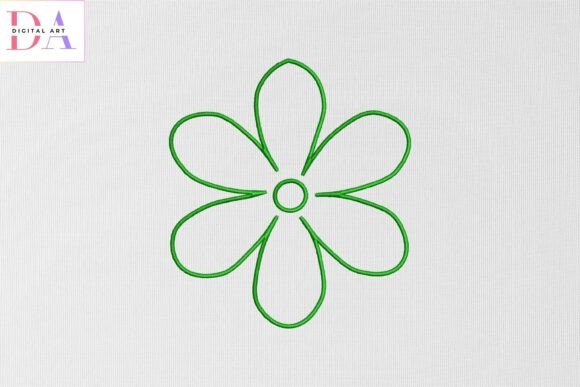
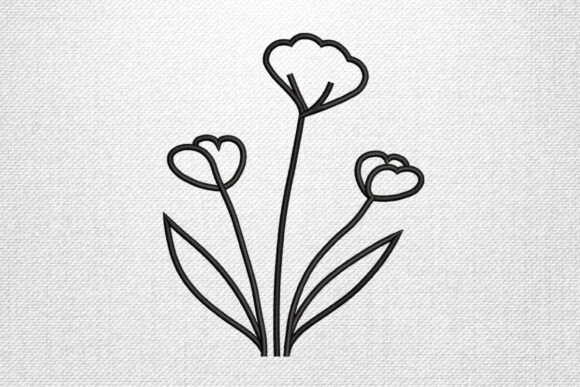
The title Minimalist Flower Line Art promises simplicity, and the design delivers. The clean, modern outline style immediately signals quality. Unlike traditional floral motifs that rely on heavy shading and color gradients to create depth, this design relies on the strength of its contours. This makes it incredibly versatile. It does not feel "cute" in a childish way, nor does it feel "rustic" in a farmhouse-heavy sense. Instead, it strikes a balance that appeals to the contemporary buyer—think chic boutiques, modern weddings, and minimalist home decor enthusiasts.
For an Etsy seller or a small shop product creator, this aesthetic is gold. It photographs beautifully. When you set up your booth display, items featuring this design will stand out because they do not compete visually with surrounding clutter. The negative space allows the fabric texture to become part of the design, which adds to the perceived value of the finished product.
Product Versatility: Where This Design Shines
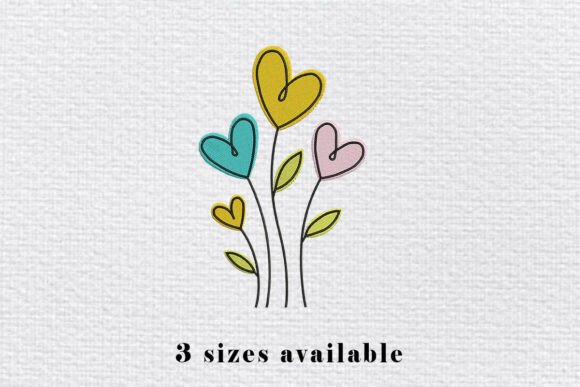
The description notes that this machine embroidery design is available in three sizes. This is a critical feature for maximizing profit margins across different price points. Here is how I see this design performing on specific handmade products:
- Tote Bag Design: This is likely the highest-volume seller. A single, centered line art flower on a canvas tote bag is a classic bestseller. Alternatively, placing smaller versions along the side seams creates a subtle, high-end look. The clean lines ensure the design remains legible even on textured canvas fabrics.
- Apron Embroidery: For kitchen aprons, placement matters. A small accent near the pocket or a larger focal point on the bib works well. Because the design is linear, it flows naturally with the shape of an apron, enhancing its utility rather than distracting from it.
- Tea Towel Embroidery: Linen or cotton tea towels benefit greatly from minimalism. Heavy stitching can overwhelm these thin fabrics, but line art sits lightly on the surface. This makes it perfect for giftable sets where multiple items might be bundled together.
- Embroidered Patch & Caps: On curved surfaces like baseball caps, complex designs often distort. However, simple outlines adapt better to curvature. This design could work well as a chest logo or on a structured patch attached to a denim jacket or backpack.
- Pillow Covers & Wall Art: For home goods, this design allows for repetition. You can create a patterned effect by spacing multiple flowers evenly across a pillow cover. It also translates exceptionally well to framed wall art, where the simplicity allows the craftsmanship of the stitches to be the star.
Production Practicality and Visual Impact
From a production standpoint, efficiency is key. If a design takes too long to stitch, your hourly wage drops. Minimalist designs generally require less thread and fewer jumps, making them faster to produce than dense fill-work designs. This speed allows you to create batch production runs for craft fairs without burning out your machines.
When considering stitch density, line art typically uses running stitches or light satin stitches. This reduces the risk of fabric puckering, especially on delicate materials like silk or thin cotton blends. However, you must still monitor the tension. If the thread is too loose, the lines may appear wavy; if too tight, the fabric may pucker. Always test on scrap fabric that matches the weight and texture of your final product.
Photography for online listings is another area where this design excels. Because the lines are distinct, close-up shots of the embroidery will show crisp details. This builds trust with online buyers who cannot touch the product. A well-lit photo of the embroidery file on a neutral background will highlight the precision of the digitization, encouraging conversions.
Careful-Use Notes and Technical Considerations
While this design is forgiving, there are pitfalls to avoid. Even minimalist designs can lose clarity if not executed correctly. Here are essential tips for ensuring your commercial embroidery projects look professional:
- Thread Contrast: Ensure there is sufficient contrast between the thread color and the fabric. On dark fabrics, use metallic or bright threads to make the lines pop. On light fabrics, darker threads provide definition.
- Fabric Texture: Avoid using this design on heavily textured fabrics like thick terry cloth or boucle unless you are confident in your hoop stabilization. The needle penetration may be inconsistent, leading to broken threads or misaligned lines.
- Hoop Size and Placement: Confirm the hoop size required for each of the three included sizes. Placing a large design on a small item (like a pouch) may result in clipping or distortion. Always check the bounding box before hooping.
- Stabilizer Choice: Use the right stabilizer for the fabric weight. Cut-away stabilizer is recommended for stretchy knits or frequently washed items like aprons and tote bags to prevent distortion over time.
- Small Details: While the design is simple, check the smallest lines. If any lines are thinner than 0.5mm, they may break during washing or wear. If the digitization includes tiny isolated dots, consider removing them in your software if they are prone to tangling.
Strategic Selling and Brand Consistency
Incorporating Minimalist Flower Line Art into your product line supports brand consistency. Modern branding favors clean, uncluttered aesthetics. By using this design across various products—totes, pillows, and apparel—you create a cohesive look that customers recognize. This visual consistency strengthens your booth presence and makes your digital embroidery file assets more valuable.
For craft fair sellers, this design appeals to a broad demographic. It is gender-neutral and age-inclusive. It fits into bohemian, Scandinavian, and modern farmhouse decor styles alike. This versatility means you can attract more foot traffic at your booth, as the design does not alienate any specific customer segment.
Final Designer Verdict
The Minimalist Flower Line Art design is a strong addition to any embroiderer’s library. Its clean lines, versatility across multiple product types, and ease of production make it an excellent choice for both Etsy sellers and physical market vendors. It elevates simple items like tote bags and tea towels into premium gifts, increasing your average order value.
Before mass production, remember to verify the specific technical details such as exact stitch counts and file formats, as these can vary. Create at least one real mockup to inspect the thread colors and design assets in person. Compare how the lines render on different fabrics to ensure clarity. With careful execution, this design has the potential to become a staple in your handmade product lineup, driving sales through its understated elegance and universal appeal.