Wildflowers Border Embroidery Review
As an embroidery designer who spends weekends setting up booths at local craft fairs and managing an online shop, I have developed a keen eye for what actually sells versus what just looks nice on a screen. When I received the Wildflowers Border design to evaluate for potential product lines, my first question was not about the stitch count, but about the shelf appeal. Would this design stop a browser in their tracks? Would it translate well from a digital file into a tangible, high-value handmade product?
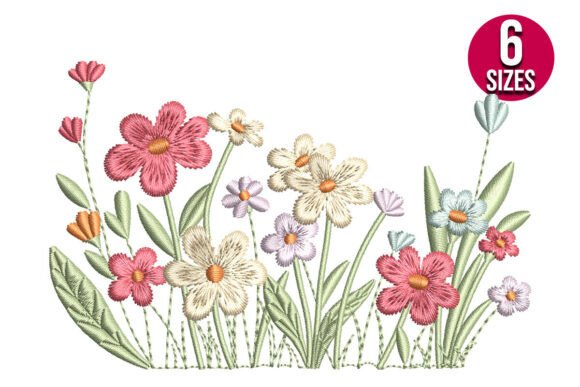
The description highlights a vibrant border of assorted wildflowers in various shades, which immediately suggests a cheerful, rustic, or perhaps cottage-core aesthetic. In the current market, botanical themes remain incredibly strong, particularly when they feel organic rather than stiff. Here is my professional breakdown of how Wildflowers Border performs as a commercial asset for Etsy sellers, boutique makers, and weekend vendors.
First Impressions and Aesthetic Appeal
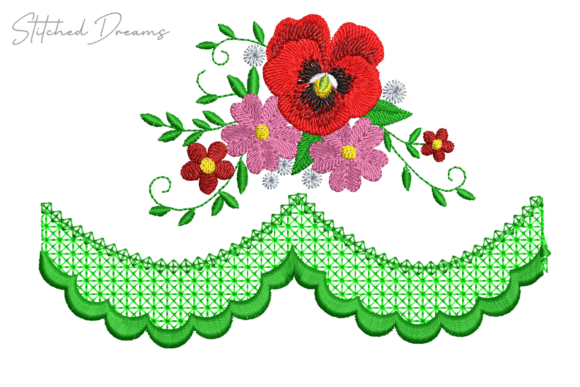
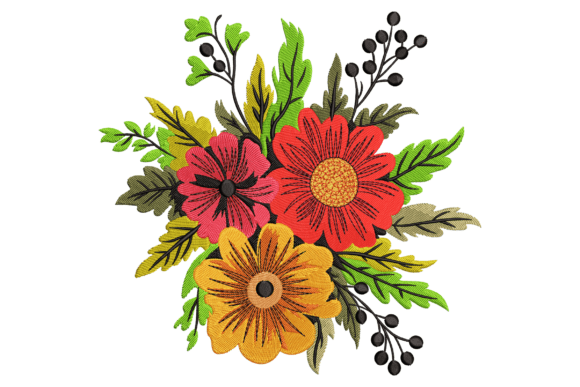
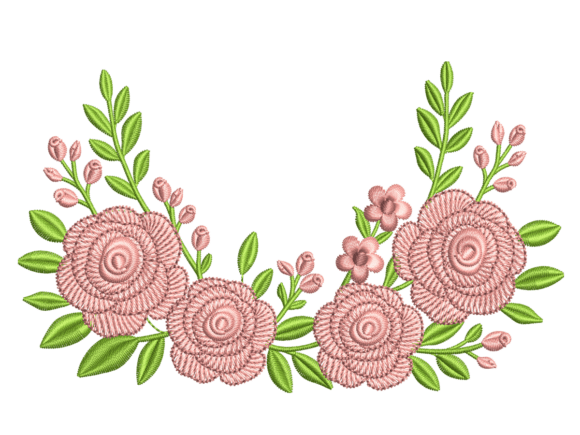
From a visual standpoint, the Wildflowers Border strikes me as versatile yet distinct. The use of "assorted" flowers implies variety, which adds depth and texture to the final piece without requiring overly complex color changes if planned correctly. It feels soft, decorative, and premium—qualities that resonate with customers looking for gifts or home decor items.
Unlike stark geometric patterns, floral borders evoke emotion. They suggest spring, renewal, and nature. For a craft fair product, this emotional connection is vital. Customers are often buying into a lifestyle or a feeling. A tote bag adorned with a lush wildflower border doesn't just carry groceries; it carries a sense of whimsy and charm. This design leans heavily into the Bouquets category naturally, offering a fresh alternative to traditional rose or sunflower motifs.
Product Application and Versatility
The true test of any embroidery file is its adaptability across different mediums. Based on the border format, here is where I see the highest profit potential:
- Tote Bags and Market Bags: This is likely the star application. A wildflower border running along the bottom hem or framing the top edge of a canvas tote creates a classic, timeless look. It photographs beautifully for online listings and stands out in a pile of plain bags on a vendor table.
- Aprons and Tea Towels: For kitchen textiles, the border adds a pop of color without overwhelming the functional space. On a tea towel, it can frame the entire edge, turning a simple utility item into a giftable handmade product. The contrast between the sturdy fabric texture and the delicate thread work enhances the perceived value.
- Patches and Pouches: If the design allows for clean edges, it works exceptionally well as a patch for denim jackets or backpacks. Smaller iterations can adorn fabric pouches for makeup or pens, appealing to younger demographics who love personalized accessories.
- Caps and Pillows: While caps offer a curved surface that can distort straight borders, the Wildflowers Border could work well on the front panel of a structured cap if the curve is gentle. For pillow covers, it serves as an elegant focal point, elevating basic linen or cotton pillows to luxury status.
Production Practicality for Sellers
For digital sellers and those producing commercial embroidery items, efficiency is key. The Wildflowers Border appears to be designed for multi-size usage, which is a significant advantage. Being able to scale the design to fit a 4x4 hoop for small patches or a larger hoop for full-width apron panels reduces the need to purchase multiple separate files.
However, batch production requires careful planning. When embroidering on dark fabrics, thread contrast becomes critical. Ensure you have a palette of bright, saturated threads ready to make the wildflowers pop against navy, black, or charcoal backgrounds. Conversely, on light linens, pastel or muted tones will create a sophisticated, farmhouse vibe.
Photography is another crucial factor. Floral designs photograph exceptionally well because they catch the light differently depending on the thread sheen. When creating printable mockups for your Etsy listing, focus on natural lighting to highlight the texture of the stitches. Show the product being used—carry the tote, hang the towel—to help customers visualize the finished product in their own homes.
Technical Considerations and Careful Use
While the design is charming, there are practical constraints every designer must respect. Always inspect the stitch density closely. Dense areas can cause puckering, especially on lightweight fabrics like thin cotton tees or sheer curtains. If the design features tiny details within the flower centers, remember that these may become muddy or lose clarity when stitched at smaller sizes. It is often better to let the border breathe by using it on medium-to-large formats where the individual petals and leaves can be distinguished.
Fabric texture also plays a role. Highly textured fabrics, such as heavy terry cloth or thick fleece, can hide fine stitch details. For the crispest result, stick to smooth weaves like canvas, percale cotton, or linen blends. Additionally, always use the correct stabilizer for the fabric weight. A tear-away stabilizer might suffice for light towels, but a cut-away will be necessary for stretchy knits or heavy denim to prevent distortion over time.
Designer’s Checklist Before Production
Before committing to a large run of small shop products, I recommend following this workflow to ensure quality and avoid costly mistakes:
- Test on Scrap Fabric: Never go straight to your final material. Stitch the design on a scrap of the exact same fabric and thread combination you plan to sell.
- Check Hoop Size: Confirm the maximum hoop size required. If the border is wide, ensure your machine can accommodate it or that you are comfortable with hooping techniques for larger areas.
- Review Thread Contrast: Lay your thread choices against your fabric swatches. Does the flower stand out? Is the shadow detail visible?
- Create Real Mockups: Produce at least one physical sample. Photograph it from multiple angles. This sample becomes your primary marketing asset.
- Confirm Licensing: Verify the commercial embroidery license terms. Ensure you are allowed to sell finished goods made with this digital embroidery file.
Final Verdict
The Wildflowers Border is a strong contender for any maker looking to add seasonal or evergreen botanical items to their inventory. Its versatility across categories—from tote bag design applications to apron embroidery—makes it a valuable addition to your design assets. It captures the essence of handmade charm while remaining practical for production.
By focusing on high-quality fabrics, proper stabilization, and strategic product placement, you can transform this simple border into a best-selling item at your next craft fair or a top-rated listing on your online store. It is a design that invites touch, encourages sharing on social media, and ultimately delivers the premium feel that today’s craft consumer expects.