Botanical Embroidery Design Review
As a designer who spends more time than I care to admit staring at stitch charts and fabric swatches, I have learned that not all digital files translate well into physical reality. There is a distinct gap between what looks good on a screen and what holds up after a wash cycle. Today, I am evaluating the Botanical Embroidery Design, a piece that promises elegance through repeating motifs. My goal here is to determine if this design belongs in your commercial inventory, your personal gift list, or simply your inspiration folder.
The First Impression: Serenity in Stitch Form
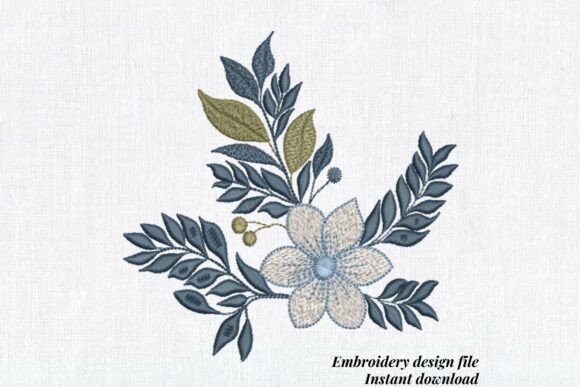
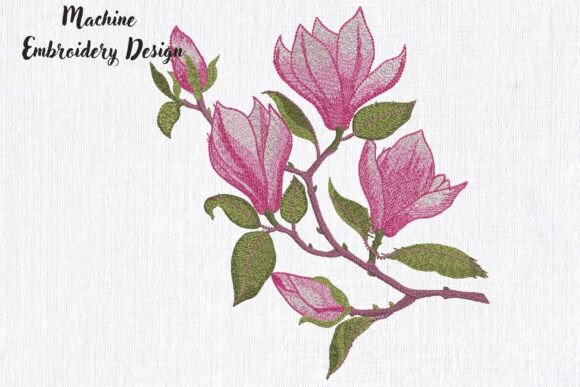
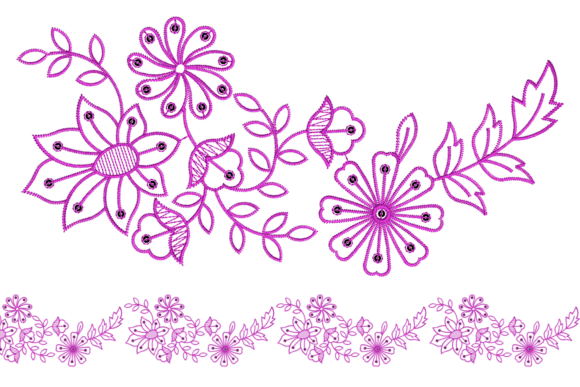
When you first load the file, the immediate takeaway is its visual rhythm. The design does not shout; it whispers. It features repeating botanical motifs that harmonize in an elegant and serene visual rhythm. The leaves and plant elements are carefully drawn to evoke a sense of balance, nature, and organic flow. For designers looking to create pieces that feel calm yet sophisticated, this is a strong contender.
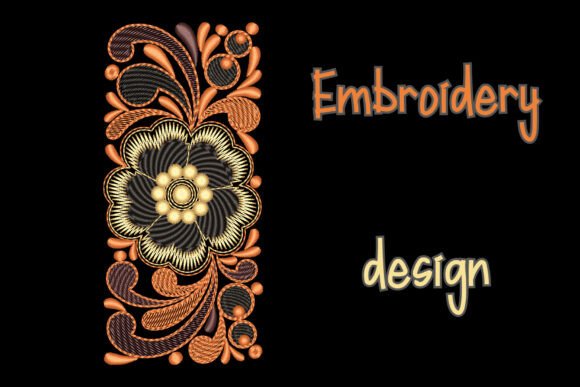
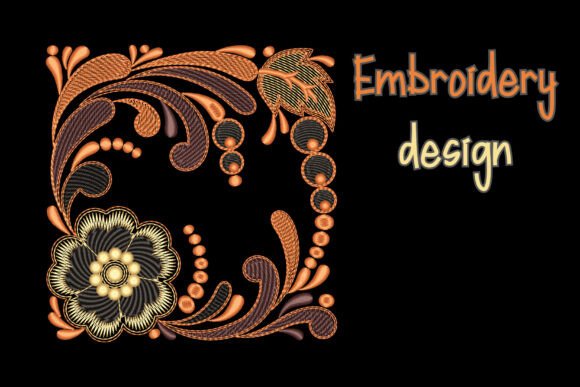
The aesthetic leans heavily toward the Floral category, but it avoids the cliché of a single, oversized rose. Instead, it offers a patterned approach that feels modern and versatile. This makes it particularly suitable for custom apparel where a large, singular graphic might feel too heavy or dated. The layout suggests a design asset that can work as an all-over print simulation or a concentrated focal point, depending on how you scale it within your hoop size.
Real-World Application: From Screen to Tote Bag
To truly judge an embroidery file, we must look at it in context. Let’s imagine a specific scenario: You are preparing a custom embroidered tote bag for a boutique client or listing on Etsy. You want something that appeals to the eco-conscious consumer but still feels premium. The Botanical Embroidery Design fits this niche perfectly.
On a canvas tote, the repeating leaves create a texture that mimics woven fabric, adding depth without overwhelming the utility of the bag. However, if you were to attempt this same design on a sweatshirt embroidery project using dark fabric, the results might vary. The delicate lines of the leaves require sufficient contrast to pop. On a light background, the design shines with clarity. On a dark background, you would need to be strategic with your thread colors—perhaps using a high-contrast white or metallic gold—to ensure the "serene" mood isn’t lost in shadow.
This versatility extends to other handmade products. Consider a baby item, such as a muslin blanket or a onesie. The gentle curves of the botanical elements are soft and safe-looking, which resonates well with parents. Similarly, for holiday embroidery projects, this design could serve as a sophisticated alternative to traditional holly or snowflakes, appealing to buyers who prefer minimalist decor for their kitchen towels or pillow covers.
Technical Performance and Stitch Clarity
In my experience, the devil is in the details, especially when it comes to stitch density. The Botanical Embroidery Design appears to rely on a mix of satin stitches for outlines and fill stitches for leaf bodies. This combination generally provides good coverage, but it requires careful attention to fabric stability.
If you are using this as a machine embroidery design on thin fabrics like lightweight cotton or linen, you must use a proper stabilizer. Without adequate support, the tension from the fill stitches can pucker the fabric, ruining the clean lines of the botanical motif. For stretchy fabrics, such as those found in caps or hats, a cut-away stabilizer is non-negotiable to prevent distortion during wear.
The design’s clarity is also dependent on the quality of your threads. Because the motifs are repetitive, any variation in thread sheen or color consistency will be amplified. Using high-quality polyester or rayon threads will enhance the visual appeal, making the leaves appear lush rather than flat. If you are creating a digital embroidery file mockup for online sales, ensure your lighting highlights the texture of the stitches to give potential buyers a realistic preview of the finished product.
Where to Exercise Caution
No design is universally perfect, and there are specific situations where the Botanical Embroidery Design may present challenges:
- Small Hoop Sizes: If the design is scaled down too much, the individual leaves may merge into a blob. Ensure the minimum recommended hoop size allows each element to breathe.
- Textured Fabrics: While beautiful on smooth surfaces, the fine details might get lost on bouclé or heavy tweed. The needle penetration required for dense fill areas could struggle with thick textures.
- Dense Stitch Areas: Check the density settings in your embroidery software. If the fill stitches are too tight, the fabric may become stiff and uncomfortable, particularly for wearable items like aprons or shirts.
- Curved Surfaces: Attempting to embroider this on a curved surface like a cap brim requires precise digitizing adjustments. A flat-lay design may distort when pulled onto a curve.
Strategic Notes for Designers and Sellers
For those of us running a craft business or selling on platforms like Etsy, presentation is key. Before committing to a full production run, I strongly advise testing the design on scrap fabric first. This step allows you to inspect small details and confirm that the thread colors you intend to use provide enough contrast against your chosen material.
Another useful trick is to test the design in black and white mockups. This helps you evaluate the composition and balance of the repeating motifs without being distracted by color. If the shapes read clearly in grayscale, they will likely hold up well in color.
Furthermore, consider the licensing terms before selling finished items. Even if you purchase a commercial embroidery license, always verify whether it covers the type of product you are making. Some licenses restrict the number of units you can sell or prohibit certain types of merchandise. Confirming these details protects your small shop product from legal issues and ensures your brand remains professional.
Final Verdict
The Botanical Embroidery Design is a thoughtful, well-composed piece that brings a touch of nature and tranquility to any project. Its strength lies in its adaptability—it works beautifully for personalized gifts, boutique branding, and home decor. However, its success depends on your execution: proper stabilizer use, appropriate fabric choice, and careful attention to stitch density.
If you are looking to add a sophisticated, nature-inspired element to your embroidery project repertoire, this design is worth the investment. Just remember to test thoroughly, respect the limitations of the fabric, and let the natural beauty of the botanical motifs speak for themselves. When done right, the result is not just an embroidered patch or a decorated shirt; it is a polished, trustworthy finished product that customers will cherish.