Yellow Watering Can Embroidery Review
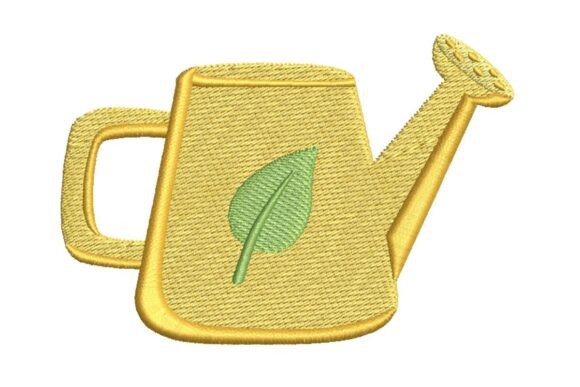
As an embroidery designer who has spent years translating digital concepts into tangible, stitched reality for small businesses, I approach every new embroidery file with a critical eye. It is not enough for a design to simply look pretty on a screen; it must hold up under the tension of the hoop, the friction of the needle, and the scrutiny of a customer holding your brand in their hands. Today, I am reviewing the Yellow Watering Can, a design that promises charm through its golden-yellow body and fresh green leaf motif. But does it have the commercial viability required for serious small business merch?
This review focuses on how this machine embroidery design performs when applied to branded patches, staff uniforms, aprons, caps, and tote bags. Whether you are running a boutique, a bakery, or a creative studio, understanding the nuances of stitch density and fabric interaction is key to maintaining a premium appearance.
First Impressions: Visual Personality and Brand Alignment
The Yellow Watering Can immediately strikes me as friendly, rustic, and grounded. The use of golden-yellow evokes warmth and optimism, while the green leaf motif introduces a sense of growth and sustainability. In the world of branding, these colors are rarely accidental. They signal eco-consciousness, care, and a connection to nature. For a florist, a garden center, or an organic skincare line, this design aligns perfectly with a narrative of nurturing and natural beauty.
Visually, the design feels handmade yet polished. It avoids the overly rigid feel of corporate logos, opting instead for a softer, more approachable aesthetic. This makes it an excellent choice for brands that want to appear accessible and authentic. However, "friendly" does not always mean "professional" in every context. If you are designing for a high-end luxury fashion label, this design might lean too heavily into the playful. But for a local café, a craft business, or a handmade product line, the visual personality hits the sweet spot between elegant and approachable.
Real-World Application: Where This Design Shines
When evaluating a digital embroidery file for commercial use, I look at versatility. The Yellow Watering Can proves its worth across several key merchandise categories.
- Embroidered Patches: This design translates exceptionally well into iron-on or sew-on patches. The distinct shape of the watering can allows for clean edges, making it ideal for attaching to denim jackets, canvas totes, or backpacks. It serves as a standalone badge of identity for customers who want to display their support for sustainable brands.
- Apron Embroidery: For bakers, florists, and baristas, the apron is a primary uniform. Placing the Yellow Watering Can on the chest pocket or centered on the bib adds a touch of personality without overwhelming the garment. The contrast between the yellow thread and typical navy or black apron fabric ensures high visibility and legibility.
- Tote Bag Design: Canvas totes are the workhorses of small business merch. This design works beautifully as a central graphic on a tote bag. The green leaf motif reinforces the eco-friendly message often associated with reusable bags, creating a cohesive brand story from packaging to product.
- Cap Embroidery: On structured baseball caps or beanies, the compact nature of the watering can silhouette fits well within standard front-panel constraints. It acts as a subtle but recognizable logo mark that customers will see daily, increasing brand recognition over time.
- Custom Apparel and Uniforms: For staff wearing work shirts, this design can be used as a sleeve detail or a back-yoke accent. It breaks up solid colors and adds a layer of visual interest that helps employees feel like part of a curated team rather than just wearing a uniform.
Strategic Considerations and Potential Pitfalls
No design is without its challenges. As a designer, I must advise caution in specific applications where the integrity of the stitch work could be compromised.
One area requiring careful attention is stitch density. If the original file contains fine details or intricate outlines, scaling it down for tiny applications—such as a small patch on a pet collar or a miniature logo on a product tag—may result in a muddy, indistinct image. Always test the design at its intended final size before committing to bulk production. If the green leaf details disappear into the background, the design loses its impact.
Fabric texture also plays a crucial role. On highly textured fabrics like heavy tweed or loose-weave linen, the stitches may not lay flat, leading to a less professional finish. Similarly, dark uniforms require careful thread selection. While the golden-yellow should pop against dark backgrounds, ensure there is sufficient contrast so the design does not get lost in shadows. Testing on the actual fabric substrate is non-negotiable.
Another consideration is durability. Items that undergo frequent washing, such as kitchen aprons or outdoor gear, need robust stitching. If the design relies on long floating stitches, they may snag during laundering. Inspect the digitization for proper underlay and trim lines to ensure the Yellow Watering Can remains intact wash after wash.
Impact on Brand Identity and Customer Trust
In the competitive landscape of commercial embroidery, the quality of your branded assets directly influences customer trust. A poorly executed embroidery job can make a otherwise great product feel cheap. Conversely, a crisp, well-placed Yellow Watering Can signals attention to detail and pride in craftsmanship.
This design enhances brand identity by visually communicating values of growth and care. When a customer sees this motif on a tote bag or a cap, they subconsciously associate those qualities with your business. It fosters a sense of community and shared values, which is particularly powerful for Etsy sellers and handmade brands looking to build loyal followings. The visual consistency of using this design across various touchpoints—from packaging labels to staff uniforms—creates a memorable and professional presentation that elevates the perceived value of your finished products.
Practical Designer Notes for Production
To ensure the best results when implementing this design asset, follow these practical steps:
- Test in Black and White: Before choosing threads, convert the design to grayscale. This helps verify that the shapes remain distinct and readable without relying on color contrast alone.
- Check Hoop Size and Stability: Confirm the required hoop size matches your equipment capabilities. Ensure you use the appropriate stabilizer for the fabric type to prevent puckering, especially on lightweight materials.
- Review Thread Color Contrast: Select threads that offer strong contrast against your target fabric. The golden-yellow and green combination should be vibrant, not dull. Test different thread sheens (matte vs. rayon) to see which best suits your brand aesthetic.
- Create a Printable Mockup: Use a printable mockup to visualize the design on your actual product before stitching. This allows for client approval and helps catch spacing issues early.
- Confirm Commercial Licensing: Before selling any items featuring this design, verify the commercial licensing terms. Ensure you have the right to use the digital embroidery file for resale purposes to avoid legal complications.
By treating the Yellow Watering Can not just as a decoration but as a strategic brand tool, you can leverage its charm to create high-quality, marketable merchandise. With careful execution and attention to technical details, this design can become a signature element of your small business’s visual identity.