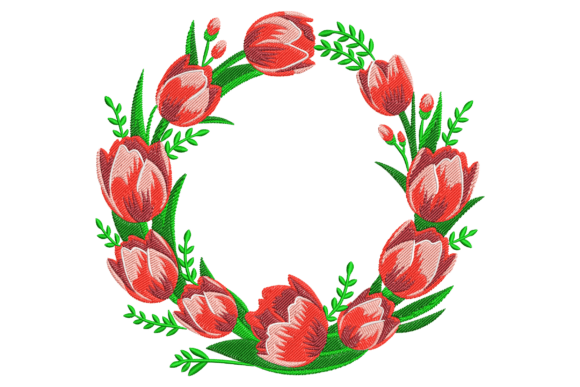
Tulips Floral Frame Review for Merch
As an embroidery designer who has spent years turning digital concepts into tangible, wearable art, I approach every new design file with a mix of creative enthusiasm and commercial skepticism. When evaluating a piece like Tulips Floral Frame, my primary focus isn't just on aesthetics; it is on viability. Will this design hold up as an embroidered patch? Does it translate well to small business merch? Can it serve as a reliable asset for branded uniforms or high-volume tote bag runs?
This review breaks down the practical application of Tulips Floral Frame for entrepreneurs, Etsy sellers, apparel decorators, and craft business owners looking to elevate their product lines.
First Impressions: Visual Personality and Brand Fit
The title Tulips Floral Frame immediately suggests structure and elegance, while the description promises a "dash of charm" and a "playful and whimsical touch." From a design perspective, this combination hits a sweet spot for modern branding. It feels friendly yet professional, avoiding the overly rigid look of traditional corporate logos while steering clear of chaotic, cluttered patterns that can muddy small-scale reproduction.
In the realm of Floral Wreaths, tulips offer a distinct advantage over roses or peonies. They are cleaner, more graphic, and often easier to digitize without losing detail at smaller sizes. This makes Tulips Floral Frame particularly versatile. It reads as premium when placed on a heavy canvas tote but remains accessible and fun when stitched onto a child’s apron or a bakery uniform. The "frame" aspect implies a contained composition, which is crucial for embroidered patches where you need a defined boundary to prevent fraying and maintain shape integrity.
Real-World Business Applications
Let’s look at how this machine embroidery design performs in actual production scenarios. For small business owners, versatility is currency. Here is where Tulips Floral Frame shines:
- Embroidered Patches: The framed nature of the design makes it ideal for iron-on or sew-on patches. Whether used as a logo for a boutique florist or a decorative accent on a denim jacket, the circular or square containment (depending on the specific frame shape) ensures the design remains legible even when scaled down.
- Staff Uniforms and Aprons: For cafes, bakeries, or handmade shops, staff wear is a walking billboard. A subtle placement of this design on the chest pocket of a work shirt or the bib of an apron adds personality without overwhelming the garment. It signals attention to detail to customers.
- Caps and Headwear: Cap embroidery requires designs that withstand curvature. The organic flow of tulip stems typically adapts well to the front panel of a cap. However, testers should ensure the frame does not distort when stretched over the curved surface.
- Tote Bag Designs: Canvas bags are a staple for small business merch. This design works beautifully as a central focal point. Its playful tone appeals to a broad demographic, from students to professionals, making it a safe bet for general retail inventory.
- Product Packaging Accents: Beyond apparel, consider using this design on hang tags or fabric labels attached to your products. It reinforces brand identity and adds a tactile, luxurious element to unboxing experiences.
Strategic Placement and Limitations
No design is perfect for every application. As a designer, I must highlight where Tulips Floral Frame might face challenges. Understanding these limitations prevents costly production errors.
Small Patch Sizes: If you intend to use this design for tiny patches (under 2 inches), you must scrutinize the stitch density. Fine details within the tulip petals or the inner border of the frame may merge together if the stitch count is too high. Always test a miniature version before committing to bulk production.
Curved Surfaces: While caps are a good fit, highly structured items like fitted baseball caps with stiff interfacing can cause distortion. The design should be centered carefully to avoid stretching during the hooping process.
High Stitch Density and Fabric Texture: If the design features dense satin stitches for outlines, it may become stiff. On soft fabrics like jersey or thin cotton, this stiffness can be noticeable. Conversely, on textured fabrics like burlap or heavy wool, fine details might get lost. Test on your actual target fabric to ensure the thread colors provide enough contrast against the material.
Frequent Washing: For items destined for frequent laundering, such as kitchen aprons or baby clothes, ensure the design uses proper underlay stitches to stabilize the fabric. Poor stabilization can lead to puckering after just a few wash cycles, damaging the perceived quality of your brand.
Impact on Brand Identity and Customer Trust
In the world of handmade products and custom apparel, visual consistency builds trust. A well-executed embroidery design communicates professionalism. When a customer sees a crisp, clean stitch pattern on a tote bag or a neatly finished patch on a uniform, they perceive higher value in the product.
Tulips Floral Frame contributes to a brand image that is approachable, creative, and caring. It avoids aggressive corporate vibes, instead fostering a sense of community and warmth. This emotional connection is vital for Etsy branding and local craft businesses where the story behind the maker matters as much as the product itself. By using a cohesive design language across different product types—matching your digital embroidery file style across tags, shirts, and bags—you create a memorable visual identity that encourages repeat engagement.
Practical Designer Notes for Production
Before you upload this embroidery file to your machine for commercial projects, follow these essential steps to ensure quality:
- Black and White Test: View the design in monochrome first. This helps you assess the balance of positive and negative space without being distracted by color choices.
- Check Hoop Size: Confirm that the design fits comfortably within your standard hoop dimensions. Leaving adequate margin around the edges prevents stitching errors near the hoop clamp.
- Stabilizer Selection: Choose the right stabilizer for your fabric weight. Cut-away stabilizers are generally recommended for garments and stretchy materials to maintain long-term durability, while tear-away may suffice for stable home decor items.
- Thread Color Contrast: Evaluate your thread colors against the final fabric. Light threads on dark fabric require higher stitch coverage to prevent show-through. Dark threads on light fabric may need additional passes to appear vibrant.
- Create a Printable Mockup: Before cutting fabric, generate a printable mockup or a digital preview. This allows you to present the concept to clients or stakeholders for approval, ensuring the vision aligns with expectations.
- Commercial Licensing: Most importantly, verify the license terms of the digital embroidery file. Ensure you have the right to sell physical goods made with this design. Commercial licensing protects your business from legal issues and supports the original artist.
- Inspect Spacing: Look closely at the spacing between elements. Crowded stitches can lead to needle breakage or thread tension issues. Adjustments may be needed in the digitizing software to optimize performance.
Final Verdict
Tulips Floral Frame is a strong candidate for small business merchandise, offering a blend of charm and structural clarity. It is particularly effective for brands seeking to convey warmth, creativity, and professionalism. By carefully considering fabric choice, stabilization, and scale, designers and business owners can leverage this design asset to create high-quality, desirable products. Remember to always test thoroughly and respect commercial licensing agreements to build a sustainable and reputable brand presence in the competitive market of commercial embroidery.